
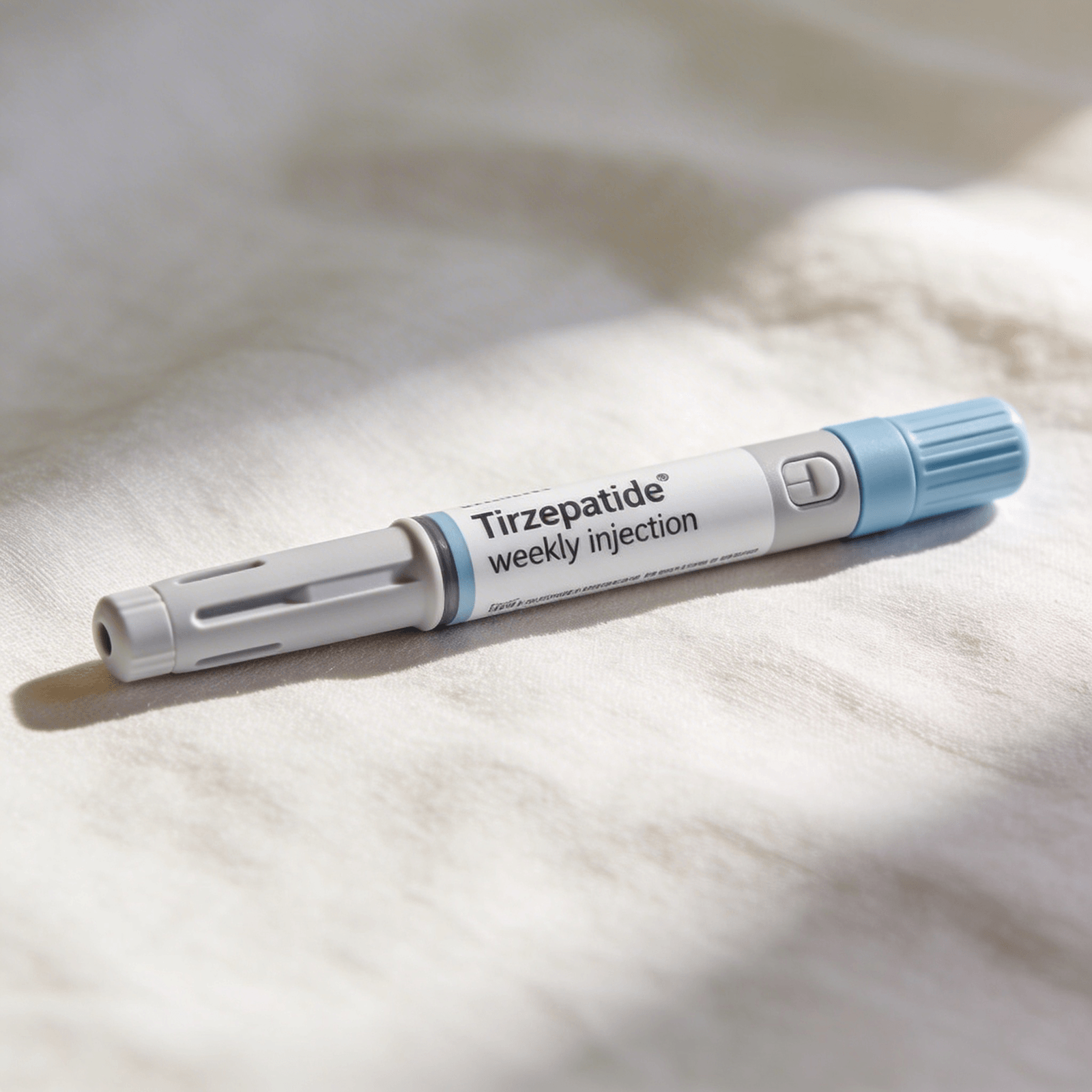
If you’ve been researching treatments for type 2 diabetes or weight management, you may have heard about Mounjaro. Often described as a breakthrough in modern medicine, Mounjaro is helping patients improve their blood sugar control while also supporting weight loss.
Mounjaro is the brand name for tirzepatide, a prescription-only medication that is used to:
Mounjaro is a weekly injectable pen that is self-administered at home. Mounjaro was first approved as a diabetic medication in the US in May 2022, and is now available in the UK, both privately and through the NHS.
Most weight loss medications target the GLP-1 hormone receptor, whereas Mounjaro is a dual-acting treatment that works by activating two hormone receptors in the body:
Targeting the two hormone receptors results in improved insulin sensitivity and reduced blood sugar levels (HbA1c). It also helps to slow the stomach emptying, helping you feel full for longer, and lowers your appetite, leading to reduced calorie intake and subsequent weight loss.
Mounjaro was originally approved as a medication for adults with type 2 diabetes whose blood sugar is not adequately controlled with diet, exercise, or other diabetes medicines.
Benefits for diabetes patients:
Mounjaro is not a “one size fits all” treatment; it is only prescribed to adults who meet certain medical criteria, including:
If your blood sugar remains high despite lifestyle changes (healthy eating, physical activity, weight management) and/or treatment with other medications such as metformin, sulfonylureas, or insulin, your doctor may consider Mounjaro. It is particularly helpful for people who also struggle with weight management, as it tackles both issues at once.
A body mass index (BMI) of 30 or more increases the risk of serious health problems such as heart disease, stroke, type 2 diabetes, and certain cancers. In these cases, Mounjaro may be prescribed as part of a structured weight management plan to help reduce health risks linked to obesity.
Even if your BMI is slightly lower (27–29.9), you may still be eligible for Mounjaro if you also have conditions linked to excess weight. These can include type 2 diabetes, high blood pressure, high cholesterol, obstructive sleep apnoea, or fatty liver disease. By supporting weight loss, Mounjaro can help lower these associated health risks and improve overall quality of life.
It’s important to remember that Mounjaro is not prescribed for cosmetic weight loss. It is only offered when there are clear medical reasons, such as poor blood sugar control or a BMI that increases the risk of serious health conditions.
Your doctor or pharmacist will carry out a full medical assessment, including your weight, BMI, health history, and any current treatments, before deciding whether Mounjaro is suitable for you.
While Mounjaro can be highly effective for certain people, it is not suitable for everyone. There are specific situations where it should not be prescribed, as the risks may outweigh the benefits.
You should not take Mounjaro if you:
Allergic reactions can include symptoms such as rash, itching, swelling, dizziness, or difficulty breathing. If you have had an allergic reaction to tirzepatide or any similar injectable medicines, Mounjaro should be avoided.
Even if you don’t fall into the categories above, there are situations where extra caution is needed. For example, your doctor may want to monitor you more closely if you have a history of pancreatitis, severe stomach or digestive problems, are taking other diabetes medicines (especially insulin), or take oral contraceptives.
Mounjaro is available in several strengths, allowing treatment to be gradually increased over time to reduce side effects and help the body adjust. The highest approved dose of Mounjaro is 15 mg, given once a week using a pre-filled pen. Most patients begin at a lower starting dose (2.5 mg), with gradual increases every few weeks, depending on how well the medication is tolerated and how effectively it helps manage blood sugar and weight. Not everyone will need the maximum dose as some people achieve good results at lower levels. Your GP or pharmacist will determine the right dose for you based on your response, side effects, and overall health.
To minimise side effects such as nausea and digestive upset, Mounjaro treatment usually follows a step-up approach:
Your healthcare provider will guide you through this process and decide if and when it’s appropriate to increase your dose. Some patients may remain at 5 mg or 10 mg long term if that provides good results without side effects.
Like all medicines, Mounjaro can cause side effects.
Common side effects (usually improve with time):
Serious but less common side effects:
Seek urgent medical help if you develop sudden abdominal pain, swelling of the face/throat, or difficulty breathing.
Mounjaro comes as a pre-filled pen that is injected under the skin (abdomen, thigh, or upper arm) once a week. The dose usually starts low with a 2.5mg dose which is taken for 4 weeks. After this initial dose, if you and your healthcare provider are happy with the results and level of side effects (if any), then you can increase to the next dose of 5mg. This process is repeated on each dose to find the one that works best for you. Each pen is designed for single-patient use only. Your healthcare team will train you on safe injection techniques and disposal of used pens.
A commonly asked question that we come across is how Mounjaro compares to similar weight loss treatments.
Mounjaro vs. Ozempic
Ozempic (semaglutide) and Mounjaro (tirzepatide) are both injectable treatments that were originally developed for type 2 diabetes, and both have shown strong benefits for weight management. The main difference is that Ozempic targets only the GLP-1 hormone receptor, while Mounjaro targets both GLP-1 and GIP receptors. This dual action may explain why clinical studies suggest Mounjaro can achieve greater reductions in both blood sugar and body weight compared to Ozempic. Both medications are given as weekly injections, and both may cause similar side effects such as nausea or digestive upset. While Ozempic remains a very effective option, especially for patients who respond well to GLP-1 therapies alone, Mounjaro may offer additional benefits for those needing stronger results.
Mounjaro vs. Wegovy
Wegovy is another brand name for semaglutide, but unlike Ozempic (which is licensed mainly for diabetes), Wegovy is specifically licensed for weight management in people living with obesity or those who are classed as overweight, and have related health problems. Like Ozempic, Wegovy acts only on the GLP-1 receptor, while Mounjaro acts on both GLP-1 and GIP. This means Mounjaro may provide greater appetite suppression and weight loss in some patients, though both medicines have been shown to help people achieve significant results when combined with diet and lifestyle changes. Wegovy and Mounjaro are both weekly injections, with Wegovy being a popular option for weight loss alone, and Mounjaro more fitting for patients who have both type 2 diabetes and obesity.
Mounjaro vs. Saxenda
Saxenda (liraglutide) is another injectable medication used for weight management, but there are some key differences compared to Mounjaro. Saxenda is taken once daily, while Mounjaro is a once-weekly injection, which many patients find more convenient. Both work by mimicking the GLP-1 hormone to reduce appetite and improve blood sugar control, but Mounjaro also targets a second hormone (GIP), which may explain why studies suggest it leads to greater weight loss on average.
Mounjaro vs. weight loss tablets
Traditional weight loss tablets, such as orlistat, work in a completely different way. They prevent the body from absorbing some of the fat from food. While this can help with weight loss, tablets like orlistat are often associated with unpleasant digestive side effects such as oily stools and stomach cramps, and their results tend to be more modest. Mounjaro, on the other hand, works on hormone pathways to reduce appetite and improve blood sugar regulation, often leading to more significant and sustainable weight loss. Tablets may still be useful for some patients, but for those struggling with both obesity and type 2 diabetes, Mounjaro may offer broader health benefits.
It is possible to be prescribed mounjaro on the NHS if you meet certain eligibility criteria. For weight loss usage, NHS England has started rolling out Mounjaro in 2025 for patients with obesity, however access to this may vary depending on your local NHS trust. Mounjaro can also be accessed privately through pharmacies and online clinics with a valid prescription.
By slowing digestion and reducing appetite, it helps you feel full for longer and eat less, leading to weight reduction.
Mounjaro targets two hormones (GLP-1 and GIP), while Ozempic only targets GLP-1. This may make Mounjaro more effective for both blood sugar control and weight loss.
Mounjaro is generally considered safe when used under the guidance of a healthcare professional, but like all medications, it can cause side effects and isn’t suitable for everyone, so it’s important to discuss your medical history with your GP before starting treatment. Read more about Mounjaro safety in our helpful guide.
It may interact with oral contraceptives, insulin, and certain blood sugar‑lowering drugs. Always inform your doctor about any medications you are taking.
The price of mounjaro can vary depending on the dose and provider, as well as whether the medication is obtained via the NHS or by private prescription. Check out our helpful guide that covers everything you need to know about how much weight loss injections cost.
Many patients notice changes in appetite and blood sugar within the first few weeks, though full benefits may take several months.
Mounjaro pens should be kept in the fridge before first use (2–8°C). After first use, it can be stored at room temperature for up to 21 days. Mounjaro is not suitable for freezing.
Mounjaro (tirzepatide) is a revolutionary treatment that is changing the way we manage type 2 diabetes and obesity. With its unique dual‑action method, it helps control blood sugar and supports significant weight loss.
While it has proven to be highly effective for some, Mounjaro is not suitable for everyone and must be prescribed under medical supervision. If you think Mounjaro could be right for you, get in touch with My Local Surgery today to see if you're eligible.