
For some, periods are simply an inconvenience. For others, they can be painful, disruptive, or linked to health conditions such as endometriosis, heavy bleeding, or migraines. It's no surprise that many look for the best contraception to stop periods or reduce how often they occur.
Thanks to modern options, it is possible to safely skip or stop periods using certain methods of contraception. This article explains how period suppression works, which contraceptives are most effective for stopping periods, and what to consider before choosing an option.
Yes, some forms of contraception can reduce bleeding significantly or stop periods altogether. This usually happens because hormones prevent the uterine lining from building up, meaning there is little or nothing to shed each month.
It's important to note that not having a period while using hormonal contraception is medically safe for most people. Monthly bleeding while on the pill is not a natural requirement, as it was originally designed to mimic a "normal" cycle rather than for health reasons.
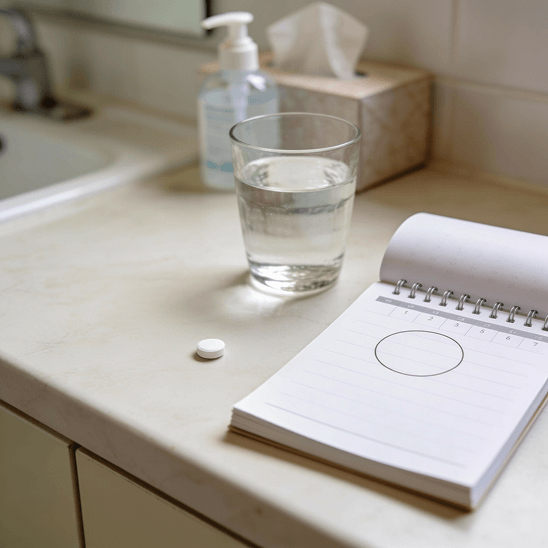
Birth control pills are one of the most common ways people manage or stop periods. Most combined oral contraceptives contain oestrogen and progestogen and are taken for 21 days followed by a 7-day break. During this break, withdrawal bleeding occurs.
To stop periods, many people take birth control pills continuously, skipping the break entirely and starting the next pack straight away. This prevents withdrawal bleeding and can significantly reduce period symptoms.
Benefits of using birth control pills to stop periods include:
Some people may experience light breakthrough bleeding initially, which often settles after a few months.
Progestogen-only options can also affect bleeding patterns. These methods of contraception do not contain oestrogen and work by thinning the uterine lining and sometimes stopping ovulation.
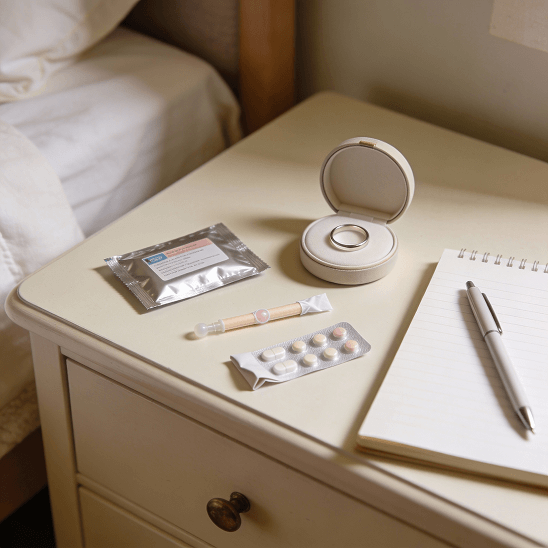
Progestogen-only options include:
With these methods, periods may stop completely over time, become much lighter, or become irregular. Results vary between individuals.
The hormonal intrauterine system (IUS) is one of the most effective of the different methods of contraception for reducing or stopping periods. It releases a small amount of progestogen directly into the uterus.
Many users experience much lighter periods within the first few months, and some stop bleeding altogether after a year. Because the hormone is localised, side effects are often minimal.
The contraceptive injection can stop periods, particularly after several doses. However, irregular bleeding is common in the first year. The implant also affects bleeding patterns, but the results are unpredictable. Some people stop periods entirely, while others experience irregular spotting.
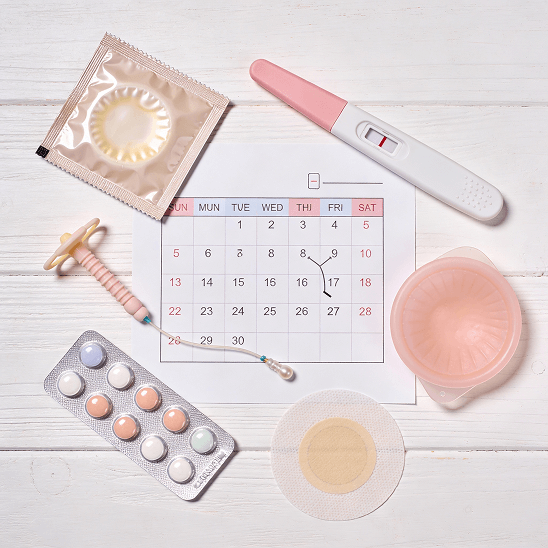
Not all methods of contraception are effective at stopping periods. These include:
Non-hormonal methods do not suppress the uterine lining and therefore do not prevent periods.
For most people, stopping periods using hormonal contraception is safe. Current medical guidance confirms that long-term use of birth control to suppress periods does not harm fertility or "store up" blood in the body.
However, contraception should always be chosen with guidance from a healthcare professional, particularly if you have migraines, blood pressure concerns, or other medical conditions.
The best option varies, but birth control pills taken continuously and hormonal coils are among the most effective.
Birth control pills stop periods only while you are using them. Normal cycles return after stopping.
Yes, most oral contraceptives can be taken continuously under medical guidance.
Continuous birth control pills and the contraceptive injection may stop periods within a few months.
The monthly bleed on the pill is a withdrawal bleed, not a natural period, and is not medically required.
No, fertility typically returns once contraception is stopped.
Breakthrough bleeding is common initially and usually settles within a few months.
Yes, hormonal coils and birth control pills are often recommended for heavy bleeding.
In some cases, yes. Suitability depends on individual health and should be clinically assessed.
Yes, especially if you are choosing a long-term method or have medical conditions.
My Local Surgery offers convenient, confidential access to experienced healthcare professionals who can advise on the best contraception to stop periods based on your health, lifestyle, and preferences. Whether you're considering birth control pills, oral contraceptives, or exploring different methods of contraception, we are here to provide medical guidance without judgement. Book a consultation on our website today and let us help you make informed decisions about your reproductive health, simply, safely, and on your terms.