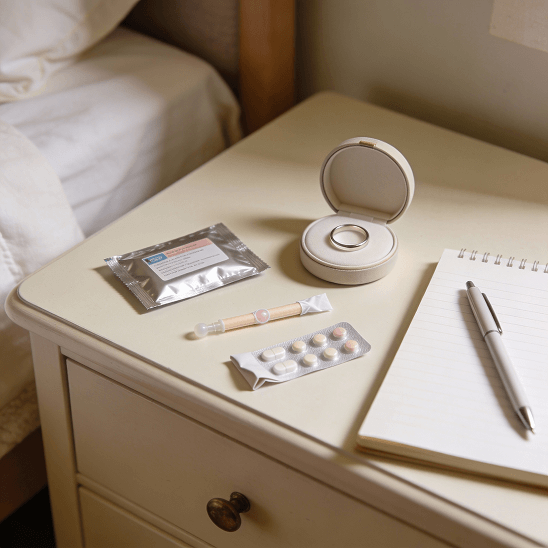
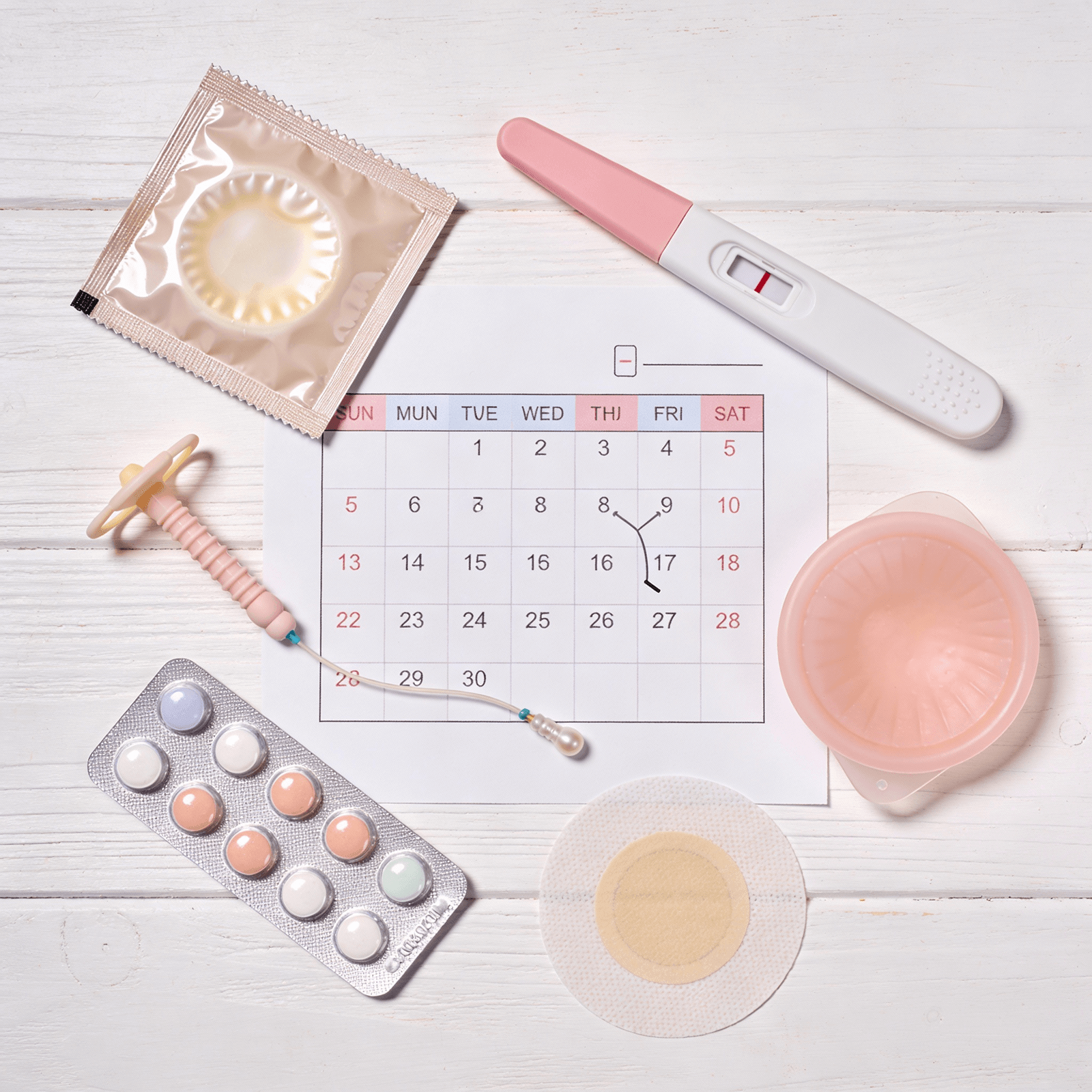
Contraception, often known as birth control, helps people take control of their reproductive health by preventing pregnancy in a safe and reliable way. If you’re thinking about how to prevent pregnancy or take control of your sexual health, you might be wondering what contraception really involves. It’s one of the most common topics patients ask about, and understanding the different contraception methods can make all the difference when choosing what’s right for you.
This guide explains how contraception works, explores the different types of birth control, and answers some of the most frequently asked questions about safety, effectiveness, and accessibility. By the end, you’ll know exactly what your options are and how to make a confident, informed choice.
Contraception helps prevent pregnancy by stopping the natural process of conception, where sperm fertilises an egg. Each method of contraception works differently, and the right choice depends on your health, preferences, and lifestyle.
In general, contraception works in three main ways:
Some hormonal methods stop your ovaries from releasing eggs. These contain hormones oestrogen and progesterone, or synthetic versions like progestin. They also thicken cervical mucus to block sperm and thin the womb lining, making it harder for a fertilised egg to implant.
Common examples include:
These options are reliable, reversible, and widely used. They can also regulate menstrual bleeding and reduce PMS symptoms, with added protection against ovarian and uterine cancers for some users.
Barrier methods create a physical block that prevents sperm from reaching an egg. This includes:
It is important to remember that condoms are the only method that also protects against sexually transmitted infections (STIs), making them essential for good sexual health.
Intrauterine devices (IUDs) and intrauterine systems (IUS) are placed inside the womb to stop sperm from fertilising an egg or prevent a fertilised egg from implanting.
There are two main types of contraception that prevent implantation:
Both options fall under long-acting reversible contraception (LARC), providing effective protection for 3–10 years once fitted.
There are many different contraception types, each with unique benefits and considerations. Choosing the right one depends on your health, personal preferences, and plans for the future.
Below, we’ve outlined the main options available in the UK and what to expect from each.
These options use synthetic versions of the body’s natural hormones to prevent ovulation.
Common hormonal contraceptives include:
These methods can also improve menstrual regularity and reduce symptoms like cramps or heavy bleeding. Some may also provide additional health benefits related to hormonal balance and reproductive health.
For people who prefer a low-maintenance option, long-acting reversible contraception can provide years of reliable protection.
Two main options include:
Both methods are fitted by a trained healthcare professional and can be removed at any time if you decide to try for a pregnancy.
Barrier methods are non-hormonal and easy to use, offering immediate protection.
Popular options include:
These methods are widely available and are crucial for protecting against STIs.
Some people prefer to avoid artificial contraception and rely on natural family planning techniques.
Examples include:
These methods can be effective with careful tracking and support from a health nurse or trained educator but require commitment and consistency.
Emergency contraception offers a backup plan after unprotected sex or contraceptive failure.
Two main types are available:
Emergency contraception is safe and effective but should not replace regular contraception methods.
Choosing a form of birth control is a personal decision. The best method depends on your health, age, lifestyle, and family planning goals. A GP, health nurse, or contraception clinic can help assess your options through a confidential consultation.
During your appointment, you can discuss:
Your clinician will review the medical eligibility criteria based on World Health Organisation (WHO) and UK guidance. This ensures that your chosen method is safe, suitable, and effective.
Access to contraception is about more than pregnancy prevention. It’s a key part of reproductive health, women’s empowerment, and socioeconomic wellbeing.
Effective contraception allows people to:
At My Local Surgery, we believe that clear, compassionate advice is essential. Everyone deserves the opportunity to make informed decisions about their body and their future.
No method of contraception is 100% effective, but most are highly reliable when used correctly. The chance of pregnancy depends on how the method is used and whether any doses or applications are missed.
Doctors often refer to perfect use and typical use. Perfect use means using the method exactly as instructed. While typical use includes human error, such as forgetting a pill or not replacing a patch on time.
For most people, hormonal contraceptives, IUDs, and implants offer a success rate of over 99% when used correctly.
At My Local Surgery, your health and comfort always come first. We provide professional, patient-centred contraception advice and prescriptions that fit your lifestyle and preferences.
You’ll receive:
Our approach follows NHS and UK medical standards, ensuring you receive safe, reliable, and accessible contraception options without hidden costs or confusing terms.
If you’d like to discuss contraception or book a consultation, contact My Local Surgery today. Our friendly team is here to help you find a method that fits your needs and gives you peace of mind.
Yes. When prescribed and monitored by a qualified clinician, contraception is safe and effective for most people. Each contraception type has its own benefits and possible adverse effects, but serious complications are rare.
Your healthcare professional will review your health history and discuss any potential risks before prescribing a method. You’ll also have access to ongoing support, ensuring your chosen method continues to suit your body and your needs.
Yes. Most contraception methods, including the combined pill, IUD, implant, and injection, are available free through the NHS. You can access them via your GP, local sexual health clinic, or community pharmacy.
No method is completely perfect, but most forms of contraception are over 99% effective with correct use.
Some people experience temporary changes in menstrual bleeding, mood, or skin. Your clinician will help you manage any adverse effects or recommend an alternative method if needed.
Yes. You can change contraception methods at any time with professional guidance. Your clinician can help you transition safely to avoid gaps in protection.
If you miss a dose, follow the instructions provided with your medication or contact your GP for advice. You may need extra protection for a short time.
Hormonal contraception protects against pregnancy but not sexually transmitted infections. Using a condom alongside another method gives the best overall protection.