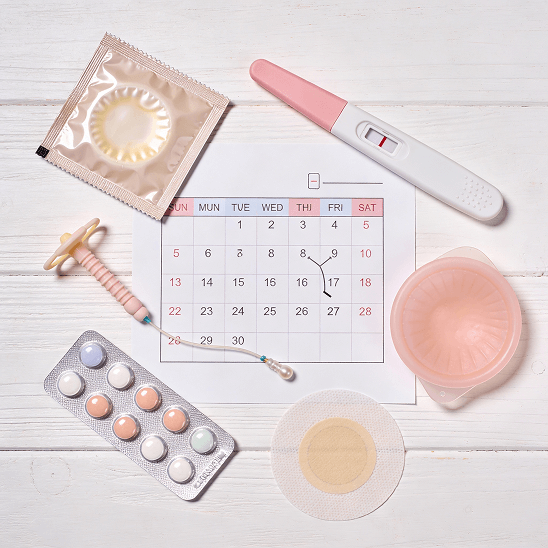

Choosing the best contraception without hormones is an important decision for many people who want to avoid hormonal side effects or prefer a more natural approach to birth control. While hormonal options such as birth control pills and implants are effective, they are not suitable for everyone. Fortunately, there are several non-hormonal birth control options available as part of the wider range of methods of contraception.
Non-hormonal contraception prevents pregnancy without altering your natural hormone levels. These methods work in different ways, including blocking sperm from reaching an egg, preventing fertilisation, or avoiding sex during fertile periods. Understanding how each option works can help you make an informed choice that fits your lifestyle and health needs.
Non-hormonal birth control refers to contraception methods that do not use synthetic hormones to prevent pregnancy. Unlike hormonal methods, these options do not interfere with ovulation or the menstrual cycle. Instead, they rely on physical barriers, timing, devices, or permanent procedures.
Non-hormonal contraception can be suitable for people who experience side effects from hormones, have medical reasons to avoid them, or simply prefer a hormone-free approach. These methods vary in effectiveness and convenience, so it is important to understand the differences before choosing one.
Barrier methods physically block sperm from entering the uterus. Common examples include male condoms, female condoms, diaphragms, and cervical caps. These methods are used at the time of sex and do not affect hormones.
Condoms have the added benefit of reducing the risk of sexually transmitted infections. When used correctly and consistently, barrier methods can be an effective part of non-hormonal contraception, especially when combined with other methods.
The copper intrauterine device, often called the copper IUD, is one of the most effective non-hormonal birth control options available. It is a small T-shaped device inserted into the uterus by a healthcare professional.
The copper creates an environment that is toxic to sperm, preventing fertilisation. The copper IUD can remain in place for several years and provides long-term, low-maintenance contraception. Some people may experience heavier or more painful periods, especially in the first few months.
Fertility awareness methods involve tracking signs of fertility to identify days when pregnancy is more likely. These signs can include changes in cervical mucus, basal body temperature, or menstrual cycle patterns.
By avoiding unprotected sex during fertile days, pregnancy can be prevented without hormones. However, these methods require consistency, education, and careful monitoring, and they are generally more effective when taught by a trained professional.
The withdrawal method involves removing the penis from the vagina before ejaculation. While it does not involve hormones, it is less reliable than many other methods of contraception. Pre-ejaculatory fluid can still contain sperm, increasing the risk of pregnancy.
Because of this, the withdrawal method is often recommended only when combined with another form of non-hormonal birth control, such as condoms.
Sterilisation is a permanent form of non-hormonal contraception. Female sterilisation involves blocking or sealing the fallopian tubes, while male sterilisation involves a vasectomy. These methods are highly effective but are considered irreversible. They are best suited to individuals or couples who are certain they do not want children in the future.
There are several reasons why people choose non-hormonal birth control:
These benefits make non-hormonal contraception an appealing choice for many people.
The effectiveness of non-hormonal birth control varies depending on the method and how consistently it is used. Long-acting options such as the copper IUD are among the most effective methods of contraception overall. Barrier and fertility awareness methods can be effective when used correctly, but can result in higher pregnancy rates. Choosing the most effective option often depends on your lifestyle, comfort level, and ability to use the method consistently.
The best option depends on your needs. The copper IUD offers long-term, highly effective contraception, while condoms are a flexible option that also protects against infections.
Non-hormonal birth control works by blocking sperm, preventing fertilisation, avoiding fertile days, or permanently stopping sperm from reaching an egg.
Yes. Condoms are a non-hormonal method and are the only contraceptive option that also helps reduce the risk of sexually transmitted infections.
The copper IUD is considered safe for most people. Some may experience heavier periods or cramping, particularly in the early months after insertion.
Most non-hormonal methods do not affect your menstrual cycle. The copper IUD may cause heavier or longer periods for some people.
Fertility awareness can be effective when used correctly, but it requires education, consistency, and careful tracking.
Withdrawal is a non-hormonal method, but it is less reliable than most other methods and carries a higher risk of pregnancy.
Yes. Combining methods, such as condoms with fertility awareness, can improve overall effectiveness.
People with certain medical conditions or those who experience unwanted side effects from hormones may prefer non-hormonal options.
Yes. A healthcare professional can help you understand which method of contraception is most suitable for you.
At My Local Surgery, we provide confidential, professional advice on methods of contraception, including non-hormonal birth control. Our pharmacists can help you understand your options, discuss effectiveness and side effects, and support you in choosing the method that best suits your health and lifestyle.
Whether you are considering barrier methods, long-term contraception like the copper IUD, or simply want expert guidance, My Local Surgery is here to help you make informed decisions with confidence. Book your consultation here.