The morning after pill is a form of emergency contraception designed to reduce the risk of pregnancy after unprotected sex or when regular contraception fails. It is intended for occasional use and should be taken as soon as possible after sex to be most effective.
Emergency contraception is widely available in the UK through pharmacies, sexual health clinics, and GP services. Many people use the term "morning after pill", but it can be taken several days after sex, depending on the type used.
Understanding how this emergency contraception works can help you make informed decisions about your sexual health and know when to seek advice from a healthcare professional.
The morning after pill is a single tablet taken after unprotected sex to prevent pregnancy. It is not the same as regular contraception and does not protect against sexually transmitted infections.
There are two main types of emergency contraception pill available in the UK:
Both types work in similar ways, but ulipristal acetate is effective for longer and can work closer to ovulation.
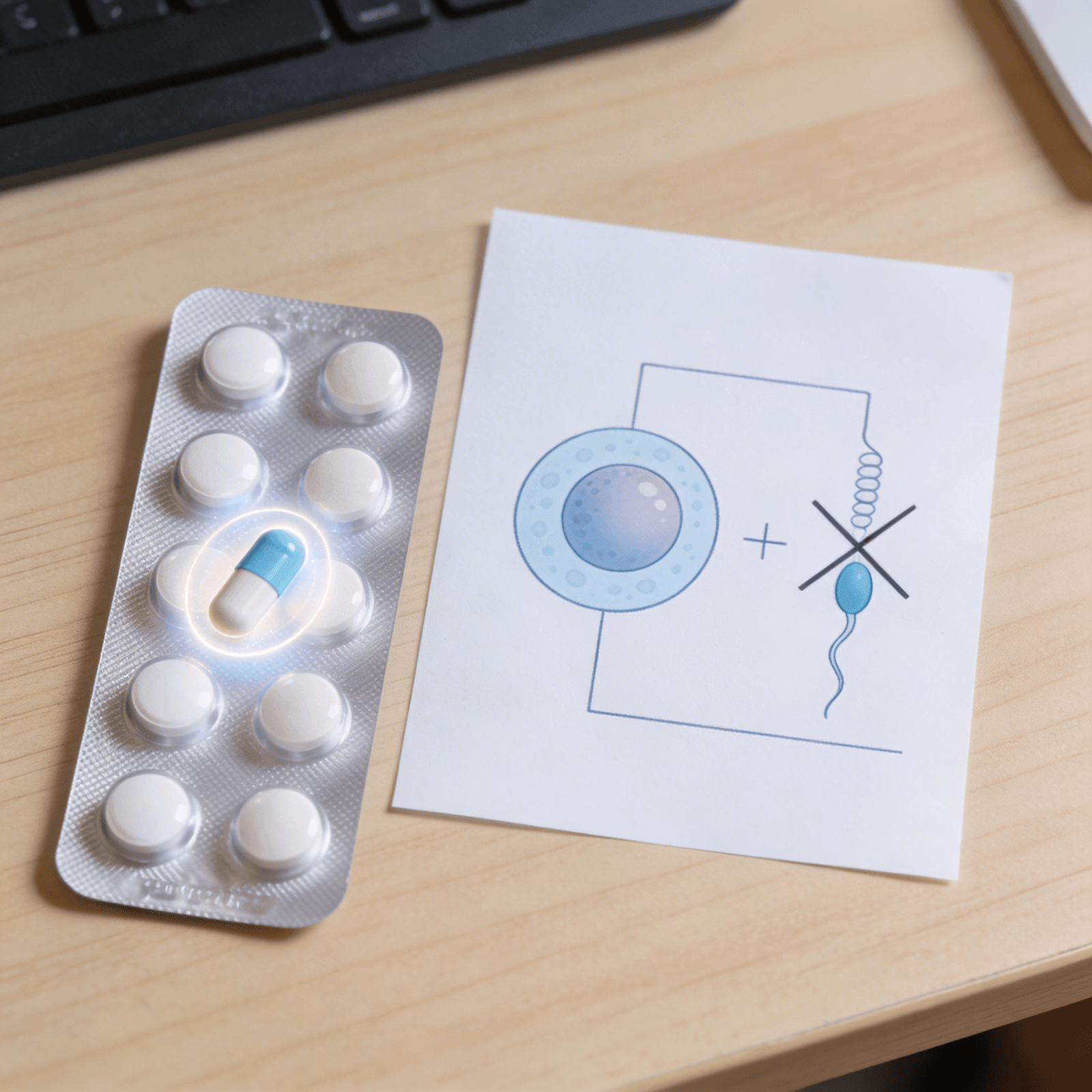
To understand how this pill works, it helps to know how pregnancy normally occurs. Pregnancy happens when sperm fertilises an egg that has been released during ovulation. Emergency contraception pills primarily work by delaying or preventing ovulation. If ovulation does not occur, there is no egg available for sperm to fertilise, which prevents pregnancy. The pill does not work if ovulation has already happened and implantation has already occurred. It also does not end an existing pregnancy.
Levonorgestrel contains a synthetic hormone similar to progesterone. It interferes with the hormonal signals that trigger ovulation.
When taken early enough, levonorgestrel delays the release of an egg from the ovary. This reduces the chance of sperm meeting an egg. It works best when taken within 24 hours of unprotected sex, although it can still be effective up to 72 hours after.
Ulipristal acetate works by blocking progesterone receptors in the body. This directly prevents or delays ovulation, even when ovulation is close to happening.
Because of this mechanism, ulipristal acetate remains effective for up to 120 hours after unprotected sex and is generally considered more effective than levonorgestrel later in the cycle.
Timing is critical with emergency contraception. The sooner the pill is taken after unprotected sex, the more effective it is.
You should not wait until the next morning if you can access emergency contraception sooner.
After taking it, most people do not notice major changes. However, temporary side effects can occur. Common effects include nausea, headache, breast tenderness, mild abdominal pain, or spotting. Your next period may come earlier or later than usual. If your period is more than a week late, you should take a pregnancy test.
If you vomit within three hours of taking the pill, its effectiveness may be reduced, and you should seek advice about whether another dose is needed.
Emergency contraception pills are considered safe for most people. Using the pill does not affect long-term fertility and does not increase the risk of future pregnancy complications. However, it is not recommended as a regular method of contraception. Ongoing contraception options provide more reliable protection and help regulate menstrual cycles.
If you find yourself needing emergency contraception frequently, it may be helpful to discuss longer-term methods of contraception with a healthcare professional.
It is an emergency contraception pill taken after unprotected sex to reduce the chance of pregnancy.
It mainly works by delaying or preventing ovulation so that an egg is not released for fertilisation.
You should take it as soon as possible after unprotected sex. Earlier use increases effectiveness.
No. The pill does not end an existing pregnancy and does not work after implantation.
It is less effective or may not work if ovulation has already occurred.
If you vomit within three hours, speak to a pharmacist or clinician as you may need another dose.
Your period may come earlier or later, and you may notice temporary spotting.
No. It does not protect against sexually transmitted infections.
Yes, but it should not be used as a regular contraceptive method.
You should seek advice if you have concerns, side effects, or if your period is late.
My Local Surgery provides confidential, professional support for people seeking advice about emergency contraception and sexual health.
Our experienced pharmacists can help you understand how the morning after pill works, advise on which option is most suitable, and discuss longer-term contraception methods if needed. We also offer guidance if you experience side effects or have concerns after taking emergency contraception.
If you are unsure what to do after unprotected sex or want reliable advice without judgement, My Local Surgery is here to support you with clear information and personalised care. Book a consultation here.