Emergency contraception can be an important safety net when something unexpected happens, whether a condom breaks, you miss a pill, or you have unprotected sex. One of the most common questions people ask is: How effective is the emergency contraception pill? Understanding how it works, what affects its success rate, and when to use it can help you make informed decisions about your reproductive health.
Emergency contraception pills (ECPs) are highly effective at preventing pregnancy when taken promptly, but their effectiveness varies based on the type of pill and how quickly you take it. While they offer reassurance in urgent situations, they are not intended to replace regular, long-term contraception.
In this guide, we explain how effective each type of emergency contraception is, how it works, what factors influence its success, and when to seek further medical advice.
There are two main types of emergency contraception pills available in the UK: Levonorgestrel (LNG) and Ulipristal acetate (UPA). They work slightly differently and have different time windows for use.
While not a pill, the copper IUD is the most effective form of emergency contraception overall.
Emergency contraception pills do not cause an abortion and do not affect an existing pregnancy. Instead, they work by:
They will not work if you have already ovulated and fertilisation has taken place.
Take a test if:
Emergency contraception is a method used to prevent pregnancy after unprotected sex or contraceptive failure. It includes pills (levonorgestrel or ulipristal acetate) and the copper IUD.
Effectiveness ranges from 58% to 98%, depending on timing and type. Ulipristal acetate is generally more effective than levonorgestrel, especially later in the five-day window.
It works primarily by delaying ovulation so the egg is not released. If ovulation has already happened, the pill is unlikely to work.
No. It does not protect against sexually transmitted infections.
If you vomit within three hours, its effectiveness is reduced. You may need to take another dose.
No. ECPs are safe but not recommended as an ongoing contraception. They are less effective than regular birth control and may cause cycle irregularities.
Frequent use is not harmful but can lead to irregular bleeding, cycle changes, and reduced reliability. It is better to use a consistent method of contraception.
Your next period may come earlier or later than usual. It may also be lighter, heavier, or more irregular for one cycle.
Seek help if:
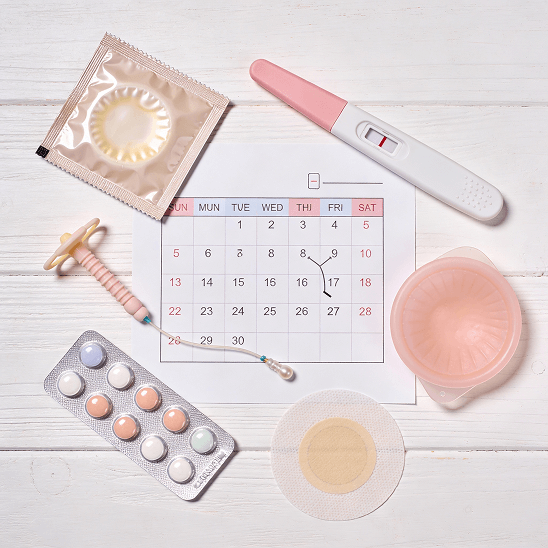
Although effective, emergency contraception is a back-up, not a primary method. If you're sexually active and do not want to get pregnant, consider reliable options such as:
These methods are far more effective for ongoing protection.
At My Local Surgery, we make professional healthcare easy, fast, and accessible, with friendly health care professionals who provide judgement-free advice. If you need emergency contraception, want guidance on choosing the right method, or prefer discreet online support, we can help.
Visit our website to book your consultation today. We're here to support your reproductive health with compassionate, confidential care.