Questions around emergency contraception are common, and one of the most frequently asked is 'how many times can I take the morning after pill?' Whether emergency contraception is needed due to a missed pill, condom failure, or unprotected sex, it's important to understand how emergency contraception works, how often it can be used, and what it means for your health.
This guide explains how many times you can take the morning after pill, the different types of emergency contraception available in the UK, and alternative contraception to consider instead.
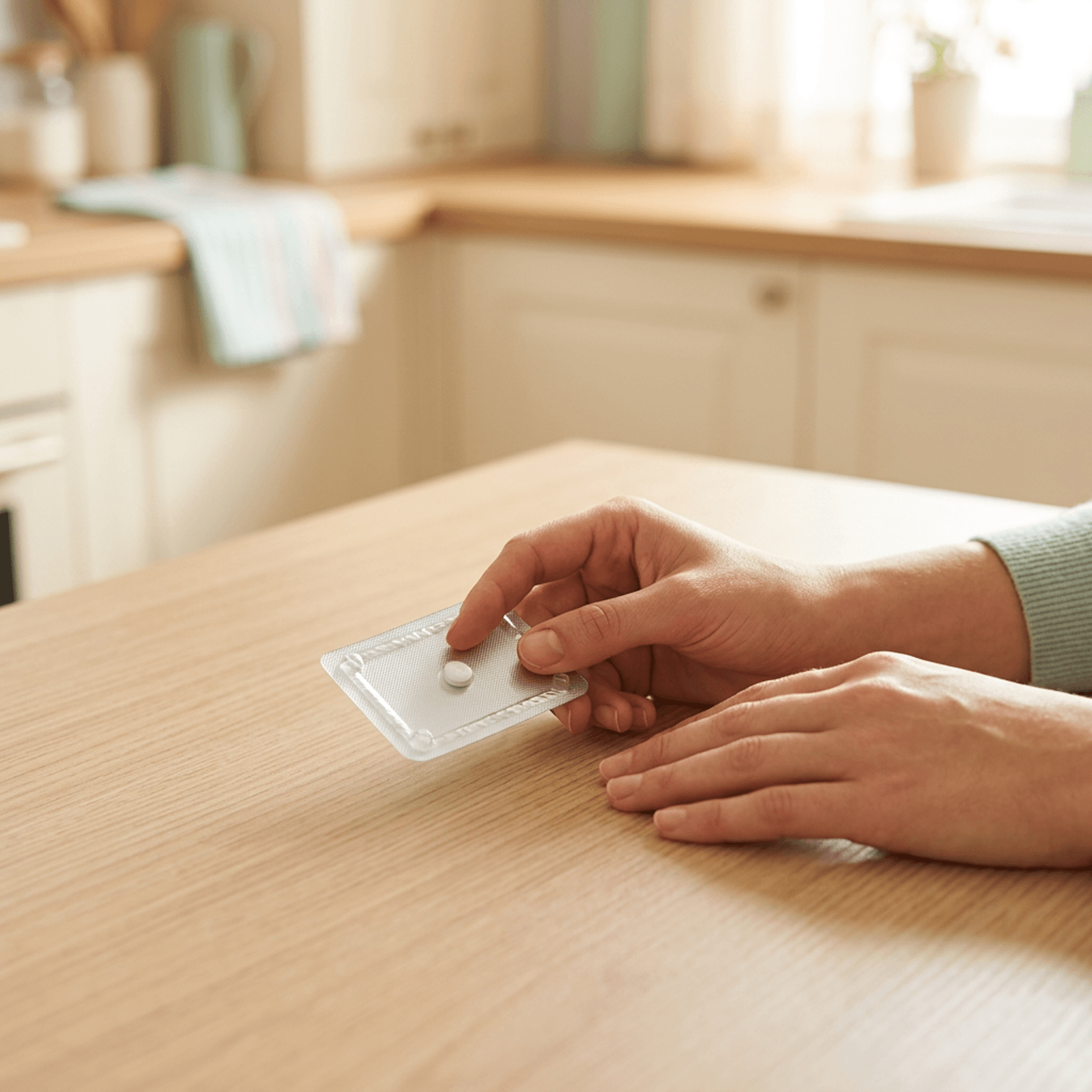
Emergency contraception is used to help prevent pregnancy after unprotected sex or contraceptive failure. The most commonly used form is the emergency contraception pill, often referred to as the morning after pill.
Emergency contraception works primarily by delaying or preventing ovulation, meaning your ovaries do not release an egg. If no egg is released, pregnancy cannot occur. Emergency contraception does not end an existing pregnancy and is not the same as an abortion pill.
There are two main types of emergency contraception pill available:
Both types of emergency contraception work best when taken as soon as possible after unprotected sex.
From a medical perspective, there is no strict limit on how many times you can take the levonorgestrel morning after pill. If you need emergency contraception more than once, even in the same menstrual cycle, it is generally considered safe. Ulipristal acetate, on the other hand, should only be taken once per menstrual cycle, as the safety and efficacy of repeated doses within a cycle have not been evaluated.
Furthermore, while there is no maximum number for levonorgestrel, repeated use is not recommended as a regular form of contraception. This is because:
So, while the answer to 'how many times can I take the morning after pill' is technically 'as often as needed,' it's usually a sign that a more reliable long-term contraceptive method would be beneficial.
You can take levonorgestrel more than once in the same month if needed. Taking emergency contraception twice in one cycle does not cause permanent harm or affect fertility. That said, using emergency contraception regularly can make your periods irregular for a short time and may lead to side effects such as nausea, headaches, or spotting. If you find yourself needing emergency contraception often, a healthcare professional can help you explore better-suited contraceptive options.
Using emergency contraception occasionally is safe. Taking it frequently does not reduce future fertility or cause long-term health issues. However, repeated use of the emergency contraception pill may lead to:
Emergency contraception is designed for occasional use, not as a replacement for routine contraception.
The emergency contraception pill may be less effective if:
In these situations, a copper IUD may be offered as an alternative form of emergency contraception.
Emergency contraception helps prevent pregnancy after unprotected sex. The most common form is the emergency contraception pill, also known as the morning after pill.
There is no official limit on how often you can take emergency contraception, but it is not intended for regular use.
Emergency contraception works mainly by delaying or preventing ovulation, stopping pregnancy before it can occur.
Emergency contraception is available from NHS sexual health clinics, GP surgeries, pharmacies, and online healthcare providers.
Emergency contraception is free on the NHS. Privately, the emergency contraception pill typically costs between £15 and £35.
Emergency contraception should be taken as soon as possible after unprotected sex, following the instructions provided with the pill.
The emergency contraception pill is most effective when taken early. Effectiveness decreases the longer you wait.
Taking emergency contraception too often won't harm your fertility but may cause short-term side effects like irregular periods.
Depending on the type, emergency contraception can be taken up to 72 hours or 120 hours after unprotected sex.
Your next period may come earlier or later, or be heavier or lighter than usual, after taking emergency contraception.
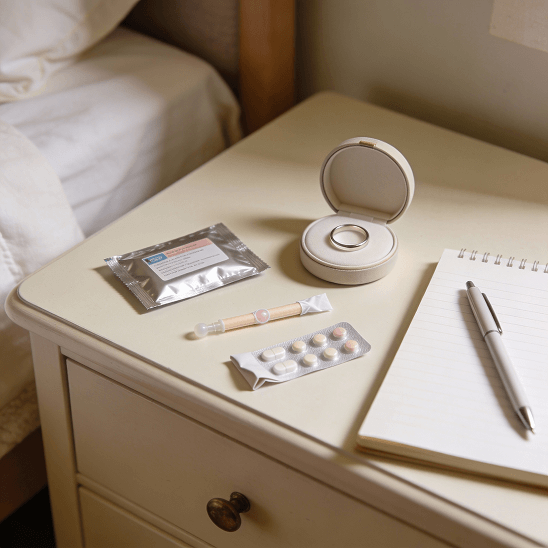
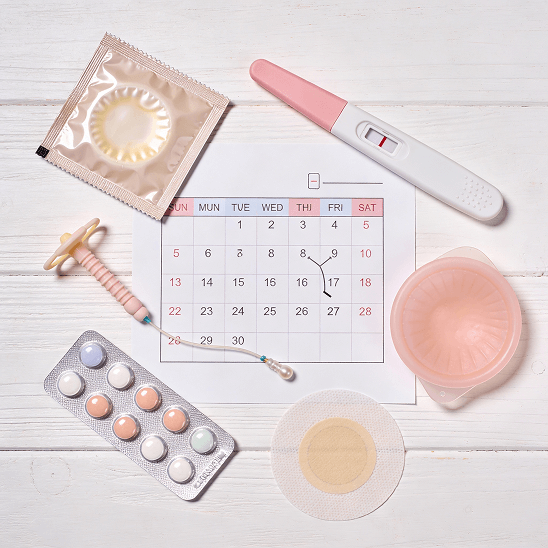
If you're asking 'How many times can I take the morning after pill?', it may be time to consider a more reliable form of contraception. Options include:
Regular contraception offers higher effectiveness and removes the stress of repeated emergency contraception use.
My Local Surgery provides accessible, discreet healthcare services designed to fit around modern life. Our experienced clinicians can advise on emergency contraception, help you understand the morning after pill, and support you in choosing a longer-term contraceptive option if needed.
If you need access to NHS contraception, My Local Surgery can help. Book a free one-to-one consultation with our health professionals today to discuss your options for emergency contraception and get advice and prescriptions.