
A urinary tract infection (UTI) is a common infection particularly among women, affecting millions of people every year. Common symptoms include burning when you pee, feeling like you need the toilet every five minutes, lower abdominal pain and cloudy or strong-smelling urine, which can all make day-to-day life difficult.
If you’re searching for how to get rid of a UTI fast, the most important thing to know is this: antibiotics are often the most effective treatment for bacterial UTIs. Drinking plenty of water, resting, taking pain relief medication and using a hot water bottle can all help you manage symptoms and feel more comfortable, but it’s important to remember that home remedies alone won’t reliably clear an infection.
Below, we’ll discuss how to get rid of a UTI quickly and reliably, in addition to explaining what causes UTIs and whether the cranberry juice remedy really works or is just a myth.
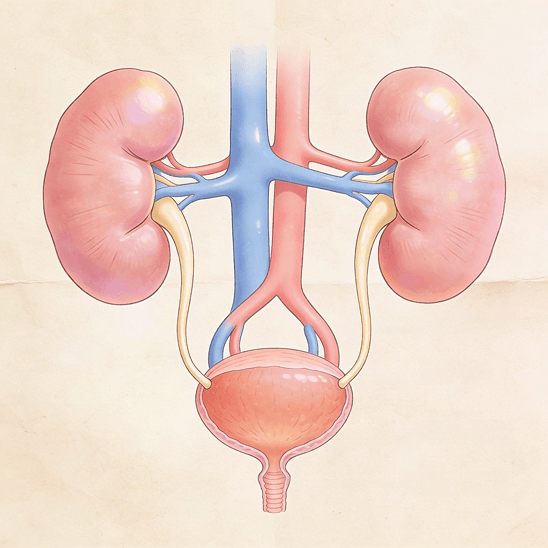
A urinary tract infection or UTI happens when bacteria enter the urinary system and multiply. This infection can occur in:
Most UTIs are caused by Escherichia coli (E. coli), which are bacteria that normally live in the bowel. E. coli usually live harmlessly in the lower intestines, but if they gain access to the urethra, they can travel up the urinary tract, multiply and cause a UTI.
UTIs can affect men, women, older adults and children, but women are significantly more likely to develop them because the female urethra is shorter, making it easier for bacteria to reach the bladder. According to research, over half of women will experience at least one UTI in their lifetime, and almost one-quarter of them will experience a recurrent UTI (defined as adults as experiencing two or more symptomatic UTI episodes within 6 months, or three or more within 12 months).
Most of the time, UTIs will affect the lower urinary tract (the bladder and urethra), but if left untreated, they can travel up to the kidneys and lead to serious health complications.
Learn more: What is a UTI?
Symptoms can vary depending on where the infection is located, but the most common UTI symptoms include:
Another potential UTI symptom is dark and/or smelly urine. However, if this is your only symptom, it may indicate that you’re dehydrated.
If the infection spreads to your kidneys, symptoms may include:
Important note: Kidney infections require urgent medical attention.
Normally, the body’s natural defence mechanisms can eliminate bacteria in the urinary tract before they cause an infection. However, if these defences are compromised or overwhelmed in some way, the bacteria can continue to multiply, leading to a UTI.
Several factors can increase your risk of developing a urinary tract infection:
Poor hygiene practices can enable bacteria to spread from the surrounding skin and anal area to the urethra, including wiping from back to front after using the toilet, infrequent or insufficient washing, and prolonged exposure to soiled clothes or sanitary products.
Sex can introduce bacteria into the urinary tract, especially if proper hygiene isn’t observed before and after.
Not emptying your bladder regularly may increase infection risk, as this gives bacteria more time to multiply in your urinary tract.
Lack of hydration leads to less frequent bladder emptying, which increases UTI risk (as explained above).
These can block urine flow and encourage bacterial growth.
Lower oestrogen levels can change vaginal bacteria and increase susceptibility.
Urinary catheters raise the risk of infection by providing a direct pathway for bacteria to enter the bladder.
Higher blood sugar levels may increase UTI risk because excess glucose in the urine acts as fuel for bacteria to multiply.
In men (particularly older men), an enlarged prostate can make it harder to fully empty the bladder.
Diaphragms and spermicides may contribute to recurrent UTIs because they alter the vaginal environment, potentially creating conditions for bacteria to grow.
This can make it harder for your body to fight infection.
How to get rid of a UTI fast
Antibiotics are usually the fastest and most effective treatment for UTIs, and if you want to get rid of a UTI quickly, prompt treatment is important.
For bacterial UTIs, antibiotics are often needed to fully clear the infection. NHS guidance recommends seeking treatment if symptoms are severe, persistent or keep returning. Common antibiotics prescribed for uncomplicated UTIs in the UK may include:
The right treatment depends on your symptoms, medical history, allergies, pregnancy status, and whether your infection is considered uncomplicated or recurrent. Many people begin feeling better within 24 to 72 hours of starting antibiotics, but it’s important to complete the full course exactly as prescribed. Untreated UTIs can progress and increase the risk of kidney infection and other complications.
Sometimes mild UTIs may improve without antibiotics, but this isn’t something you should always rely on. Although your immune system may fight off very minor infections, delaying treatment can allow symptoms to worsen or the infection to spread.
Home remedies may help relieve discomfort, but they should not replace medical treatment if symptoms are ongoing. To get rid of a UTI quickly and effectively, it’s best to consult a healthcare professional rather than trying to treat it at home.
These won’t cure a bacterial UTI, but they may support recovery:
Cranberry products are widely discussed as a natural UTI remedy, but the evidence is mixed. A Cochrane review found cranberry products may help reduce recurrent UTIs in some people, but they’re not considered an effective treatment for an active infection. Therefore, drinking cranberry juice is unlikely to cure an existing UTI.
You should seek medical advice if:
These may suggest a more serious infection or another underlying issue.
Recurrent UTIs are typically defined as:
Recurring symptoms should always be properly assessed rather than repeatedly self-treated. Your clinician may recommend:
Sometimes, your course of antibiotics may not be effective and your UTI symptoms may persist. This is known as a chronic or long-term UTI.
Long-term UTIs can occur when bacteria enters the lining of the bladder. They can be difficult to diagnose because urine tests don’t always show an infection, but it’s important to speak to your GP about your symptoms and ask to be referred to a specialist if needed. Chronic UTIs may be treated by taking antibiotics for a longer period of time.
Although it’ll typically take 1‑3 days for you to start feeling better on a course of antibiotics, you can speed up your treatment by following the self‑care measures recommended above and seeing a healthcare provider as soon as possible to obtain fast‑acting antibiotics. Online consultations, such as those offered by My Local Surgery, can help you speak to a healthcare professional and access prescription deliveries more quickly.
If you think you have a UTI, fast treatment can make a big difference. With My Local Surgery, you can:
There’s no need to wait days for a GP appointment when you’re in pain and need help quickly. If treatment is clinically appropriate, you may be prescribed antibiotics and have your medication delivered the next day, giving you quick and discreet UTI relief.