
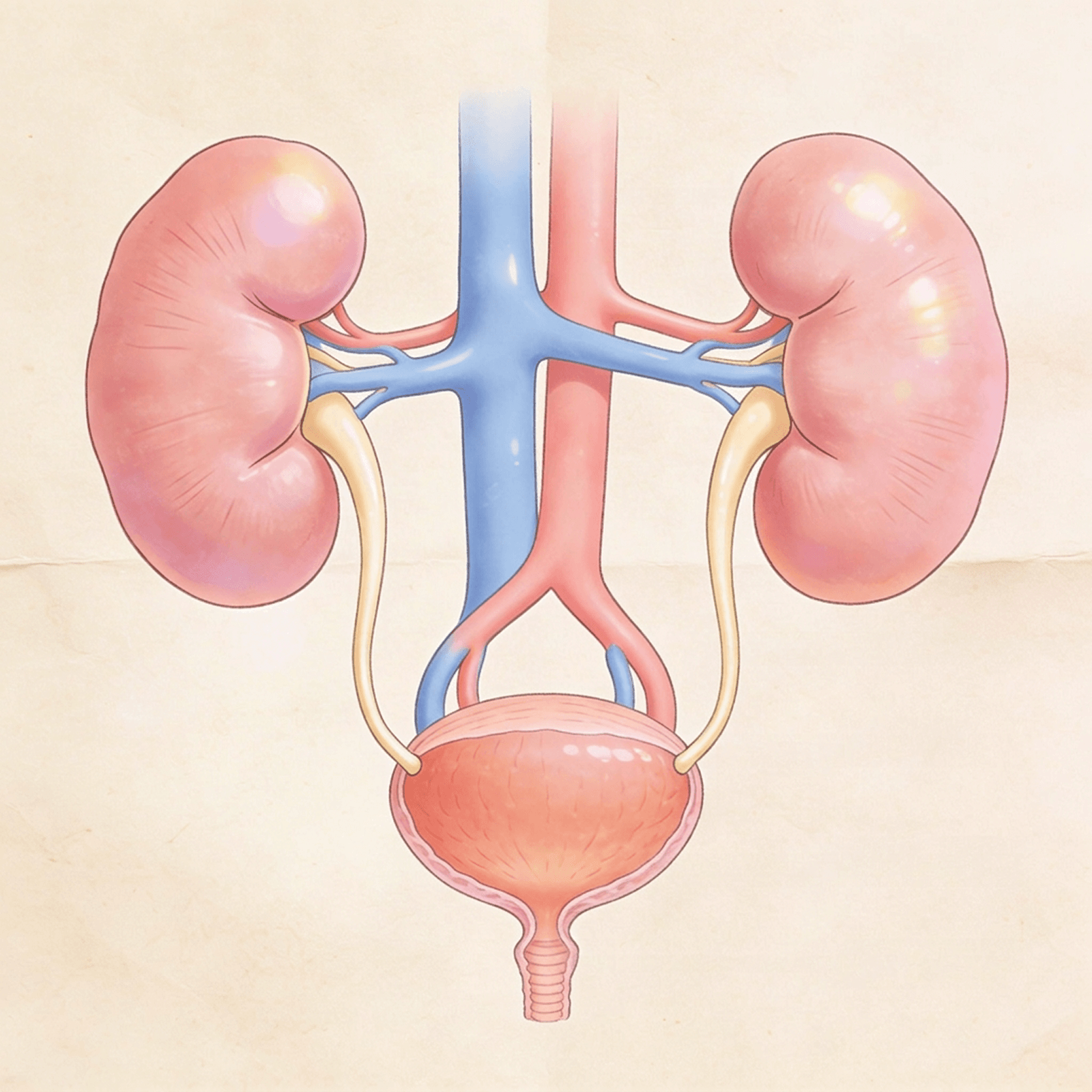
Urinary tract infections (UTIs) are one of the most common infections affecting people of all ages, especially women. UTIs occur when bacteria enter and multiply in the urinary system, which includes the kidneys, ureters, bladder, and urethra, causing discomfort and other symptoms. Most infections occur in the lower urinary tract (the bladder and urethra), but if left untreated, they can travel up to the kidneys and lead to serious complications.
The urinary system's job is to remove waste and extra water from the body via urine. A UTI infection often starts when bacteria, particularly Escherichia coli (E. coli) from the bowel, enter the urethra and begin to multiply in the bladder. Women are more susceptible due to their anatomy. The female urethra is shorter, meaning bacteria have a shorter path to reach the bladder.
Urinary tract infection symptoms can vary depending on which part of the urinary tract is affected, but common signs include:
If you notice these symptoms, it's important to speak to a healthcare professional promptly.
UTIs are usually caused by bacteria entering the urinary tract and growing. The most common culprit is E. coli.
Other risk factors include:
Your clinician will usually diagnose a UTI with a urine test to identify bacteria and white blood cells. Most UTIs are treated with a short course of antibiotics. Symptoms often improve within a few days, but it's essential to complete the full course to prevent recurrence. If a UTI is complicated, for example, involving the kidneys, you may need a longer course of antibiotics or hospital care.
Early advice and prevention strategies can lower the chance of repeat infections. Simple habits that can reduce UTI risk include the following:
A UTI is an infection in any part of the urinary system, most commonly the bladder and urethra, usually caused by bacteria.
Signs include pain/burning during urination, frequent urges to urinate, cloudy or smelly urine, and lower abdominal discomfort.
Most UTIs arise from bacteria entering the urinary tract, especially E. coli. Risk factors include sex, female anatomy, and urinary retention.
A clinician typically confirms a UTI via urine tests that look for bacteria and white blood cells.
Antibiotics are prescribed to eliminate the infection.
Mild symptoms might ease temporarily, but antibiotics are necessary to fully clear bacterial UTIs and prevent complications.
Symptoms often improve within 1-3 days of starting antibiotics, but you must follow the full treatment course.
Yes, although less common than in women, men can develop UTIs, especially with urinary tract abnormalities or blockages.
If the infection spreads, it can cause serious symptoms like fever, back pain, and nausea. Prompt medical attention is needed.
Preventive measures include hydration, good hygiene, and discussing contraceptive options with your clinician if relevant.
While most UTIs are mild, seek urgent care if you have:
A UTI can turn into a kidney infection, which requires immediate medical attention.
At My Local Surgery, we provide personalised care and expert guidance when you're dealing with a urinary tract infection. Our experienced pharmacists can:
We understand how disruptive UTIs can be. Our aim is to help you get effective treatment quickly, support your recovery, and give you the tools to reduce future infections.
Whether you need a consultation, prescription, or tailored prevention plan, My Local Surgery is here to help, with trusted medical care and clear, compassionate advice. Book a consultation here.