Urinary tract infections (UTIs) are one of the most common infections treated in primary care, affecting millions of people each year. While they can be uncomfortable and sometimes painful, understanding what a UTI is and what can contribute to or increase the risk of developing a UTI can help you reduce your risk of developing one and prevent a recurrence in future.
In this guide, we explain some of the most common things that can increase the risk of getting a UTI, who is most at risk, and how to help prevent them.
What is a UTI?
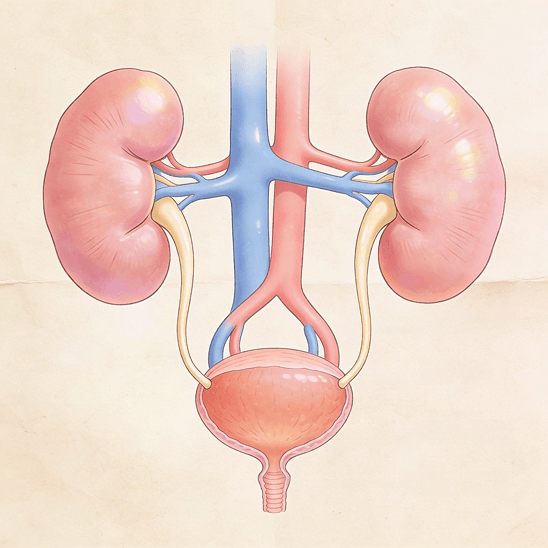
A UTI is an infection in the urinary system, which includes the bladder, urethra, ureters, and kidneys. Most infections affect the bladder (known as cystitis), but more serious infections can spread to the kidneys if left untreated.
What causes a UTI?
The primary cause of a urinary tract infection is bacteria from the digestive system, most commonly Escherichia coli (E. coli), entering the urinary system. These microorganisms normally reside harmlessly in the lower intestines, but when they gain access to the urethra, they may begin to multiply and result in a UTI.
Normally, the body’s natural defence mechanisms will eliminate these bacteria before they can develop into an infection. Sometimes, however, these defences are overwhelmed or compromised, allowing bacteria to grow and spread further into the urinary system.
There are several factors that can increase the risk of bacteria entering the urinary tract and developing an infection.
Personal hygiene
Poor hygiene is a risk factor that may increase the likelihood of developing a UTI. Certain hygiene practices may allow bacteria from the surrounding skin and anal area to move closer to the urethra. This can include:
- Infrequent washing
- Improper washing techniques
- Prolonged exposure to soiled clothing or sanitary products
- Wiping from back to front after using the toilet, rather than front to back
Sexual activity
Sex can increase the risk of bacteria entering the urinary tract which is why UTIs are more common in sexually active individuals. This doesn’t mean sexual activity is unsafe, but it can increase risk, particularly if proper hygiene isn’t observed before and after.
Holding in urine
Regularly delaying urination can increase the risk of a UTI developing, as it allows bacteria more time to multiply in the bladder. Emptying your bladder fully and regularly helps flush out bacteria before infection can develop.
Poor hydration
One of the risk factors associated with developing a UTI is not drinking enough fluids. Poor hydration reduces how often you urinate, which may allow bacteria to build up in the urinary tract. Staying well hydrated helps support the natural flushing of the urinary system.
Menopause and hormonal changes
Hormonal changes, particularly during menopause, can alter the natural balance of bacteria in the urinary tract and reduce protective factors, increasing susceptibility to infection.
Use of certain products
Some everyday products can irritate the urinary tract, disrupting the body’s natural defensive barriers and making it easier for harmful bacteria to take hold. These may include:
- Scented soaps or bubble baths
- Feminine hygiene sprays
- Certain contraceptives, such as diaphragms and spermicides
- Harsh laundry detergents or fabric conditioners
Underlying medical conditions
Certain medical factors can make you more likely to develop a UTI. Any condition or treatment that weakens the immune system can increase susceptibility to infection. Other health conditions that may lead to more frequent UTIs include:
- Diabetes
- Kidney stones
- An enlarged prostate (in men)
- Conditions that affect bladder emptying
Catheter use
People who use urinary catheters are at a higher risk of developing an infection, as the catheter can introduce bacteria directly into the urinary tract.
Who is most at risk of a UTI?
While anyone can develop a UTI, some groups are more susceptible to infection than others.
Women are generally more likely to develop UTIs because they have a shorter urethra, which makes it easier for bacteria to reach the bladder. Pregnancy can also increase risk due to hormonal changes and slower urine flow caused by the uterus compressing the bladder.
UTIs are generally more common in older adults, partly due to changes in the urinary system with age, along with weaker immune defenses. In addition, those with a history of recurrent UTIs are more likely to develop them in future.
How to prevent a UTI
Although UTIs cannot always be prevented, there are some simple steps you can take to reduce your risk:
- Drink plenty of water throughout the day
- Urinate regularly, especially after sexual activity
- Wipe from front to back after using the toilet
- Practise good hygiene: keep the genital area clean and replace sanitary products regularly
- Avoid irritating hygiene products, such as strong or scented soaps
- Wear breathable cotton underwear and loose-fitting clothes
These steps can help maintain overall urinary tract health and reduce the chances of a UTI developing.
When should you speak to a GP?
You should contact your GP if you think you may have a UTI. Symptoms can include:
- A burning sensation or pain when urinating
- Needing to urinate more frequently or urgently
- Cloudy, dark, or strong-smelling urine
- Blood in the urine
- Pain in the lower abdomen
- A high or low temperature (above 38°C or below 36°C)
If you have a high temperature, nausea or vomiting, pain in your lower back or side, or flu-like symptoms, ask for an urgent appointment. These could be signs of a more serious kidney infection.
Get support from My Local Surgery
If you think you may have a urinary tract infection or are experiencing ongoing symptoms, it’s important to seek medical advice promptly. At My Local Surgery, our experienced clinical team can provide a diagnosis, recommend appropriate treatment, and offer guidance on preventing future infections.
Don’t ignore persistent discomfort or recurring UTIs. Early treatment can help prevent complications and get you feeling better sooner. Contact My Local Surgery today to book a consultation.